

The remains of more than 20,000 unclaimed veterans await burial, according to a 2023 VA survey. Most of these veterans are likely eligible for burial with military honors in a national cemetery. So why are their remains languishing in funeral homes and coroner offices?
One reason is that overworked and underfunded coroner and medical examiner offices often don’t have the time or knowledge to navigate the complex process required to arrange such a burial. Sometimes generous volunteers step in and make the necessary arrangements. Government and nonprofit organizations are available to help, but first someone needs to reach out.
America’s national cemetery system
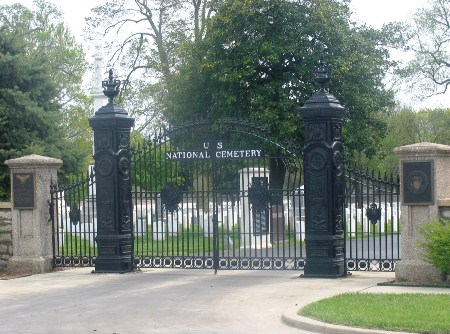
The Department of Veterans Affairs (VA) National Cemetery Administration maintains 157 national cemeteries in 44 states and Puerto Rico. Not all states have such a cemetery, and many cemeteries no longer have space available.
PA, for example, has nine VA cemeteries, but currently only two open for burials. The National Cemetery Administration website lists the national cemeteries by state.
Who’s eligible for burial in a national cemetery?
The VA details full current eligibility criteria here.
In general, burial in a VA national cemetery is open to all members of the armed forces who have met a minimum active duty service requirement and were discharged under conditions other than dishonorable.
“A Veteran’s spouse, widow or widower, minor dependent children, and under certain conditions, unmarried adult children with disabilities may also be eligible for burial.”
Of note, the VA deems spouses and children eligible even if they predecease the Veteran.
“Members of the reserve components of the armed forces who die while on active duty or who die while on training duty, or were eligible for retired pay, may also be eligible for burial.”
Arranging an unclaimed veteran burial
The first step is to confirm that no family member is willing or able to make burial arrangements for the veteran. Most offices allow a period of time for family to come forward, usually a year.
The next step is to obtain the decedent’s Social Security number and other information needed to obtain DD Form 214, Certificate of Release or Discharge from Active Duty. The Veterans’ Service Records of the National Archives is one place to apply for the form.
The National Cemetery Administration website offers a step-by-step guide to determining eligibility and arranging burial for an unclaimed veteran.
Who makes arrangements for an unclaimed veteran burial?
The VA does have offices of “decedent affairs” and offers some compensation for eligible burial expenses, but it does not do the paperwork or the scheduling for a burial. Instead it refers the public to the National Cemetery Scheduling Office.
An internet search found no mention of funeral homes making burial arrangements for burial of unclaimed veterans (or any unclaimed bodies). Funeral homes are private, for-profit businesses. The minimal compensation offered by the VA does not cover the time and costs involved in disposing of and burying or interring an unclaimed body. Such cases are almost always referred to the coroner or medical examiner.
Assistance with unclaimed veteran burial arrangements
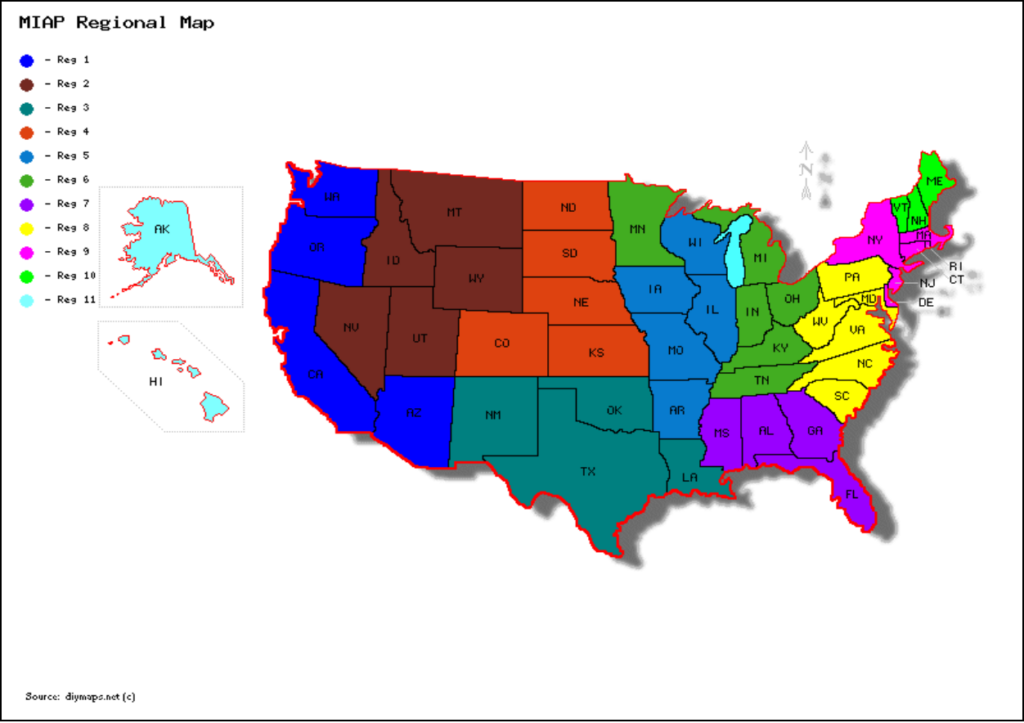
If no one in the coroner or medical examiner office can dedicate enough time to the process detailed on the National Cemetery Scheduling Office website, one option is to contact the Missing In America Project (MIAP), a 501(c)3 nonprofit corporation. Their mission is to “locate, identify and inter the unclaimed cremains of American veterans.”
Recently MIAP assisted the Delaware County (PA) Medical Examiner’s Office with the burial of 15 “forgotten military veterans” at the Indiantown Gap National Cemetery.
Forrest Lingenfelter, a regional coordinator (the yellow states) for MIAP, shared some information about their process. Using information from the holder of the cremains, a regional MIAP volunteer begins with a genealogy search for next of kin. Next they obtain confirmation of eligibility from the National Cemetery Eligibility and Scheduling Office.
Lingenfelter emphasized that MIAP volunteers coordinate transparently with the holder of the cremains, including selection of a date for the burial. MIAP can provide an urn, name plate, and flag. Once the cemetery confirms a date, they can do public news media releases and interment programs.
Most important, Lingenfelter told me that MIAP would appreciate any referrals. If you are a funeral home, coroner, or ME office with unclaimed veterans’ remains, please reach out via MIAP’s contact page.
History of the National Cemetery System
It all began, as have so many other things, with the Civil War. The first Veterans’ Cemeteries were intended to bury the Union soldiers who had died during the war. By the early 1870s, over 300,000 Union soldiers had been found and buried, sometimes after painstaking searches along old battlefields. Soon, however, the families of veterans who died after the war asked that they be buried with their fallen comrades.
According to the VA, “this was the first time a country gathered its dead for reburial in cemeteries created to honor their service.”
A fascinating report by a little-known Army officer named Edmund B. Whitman details his four years of collecting the remains of the Civil War dead, a period he called his “Harvest of Death.” Whitman also mapped and established cemeteries, becoming the first Superintendent of National Cemeteries.
Segregation after death
Edmund Whitman’s position on burial of black soldiers was clear. “No distinction is to be made in regard to color so far as the removal to the National Cemeteries is concerned,” he wrote in 1867. “[Black troops] are in every way, to be treated as if they were white soldiers.”
Earlier, and during the war, not everyone shared his opinion. More than 400 Black veterans from the Gettysburg area were interred in Lincoln Cemetery, separate from the nearby whites-only Soldiers’ National Cemetery where Abraham Lincoln gave the 1863 Gettysburg Address.
Finding the gravesite of deceased veterans
If you’re looking for a long-lost relative or friend who was a veteran, it’s worth searching the National Graveside Locator database. The only required information is the last name.
Attend a National Cemetery Ceremony
Each cemetery posts a Daily Burial Schedule on the National Cemetery Administration website. Anyone is welcome at an unclaimed/unattended veteran burial ceremony. For specific information and dates, contact the individual cemetery. The MIAP site also lists upcoming ceremonies they have helped organize. Currently they list September and October ceremonies in Washington State, Arizona, and Kentucky.